
Anatomy - Chapter 9 Flashcards | Quizlet As oxygen is a key factor in the latter metabolic pathway, mitochondria play a predominant role during most exercise conditions. The epimysium houses the arteries and veins that allow blood to enter and exit muscle. ANTAGONIST - The other muscle of the pair relaxes and lengthens (antagonist). 1.1.b Muscular System Muscle location The 'fixator' muscle . Don't get me wrong, your anaerobic metabolism is very . Q. To move the molecules blocking the myosin binding site on actin C. To form cross-bridges between the actin and myosin filaments D. To provide the energy for resetting the myosin heads Identify a major organ for the following systems. When you swallow, a characteristic "gulp" sound can be heard. Each hemoglobin molecule carries four molecules of oxygen. Are You Getting Enough O2? — Oxygen's Role in Muscle ... Responsible for voluntary body movements. Metabolic Variations of Muscle Fiber Types • There are two types of muscle cells within a given muscle, white muscle fibers and red muscle fibers, which differ in size, coloration and metabolism. . The muscles that help with facial expressions allow for ear, eyes, nose, mouth, and skin movements on the face. Blood Pressure ATP is a high-energy nucleotide which acts as an instant source of energy within the cell. 45 seconds. What is skeletal muscle responsible for? circulatory. What are the 3 types of muscles? Features of White Muscle Fibers Intense muscle activity results in an oxygen debt, which is the amount of oxygen needed to compensate for ATP produced without oxygen during muscle contraction. Human growth hormone is another commonly used agent, and although it can facilitate building muscle mass, its main role is to promote the healing of muscle and other tissues after strenuous exercise. What is the role of oxygen gas (O2) in glycolysis? The muscles in the body support movement, help maintain posture, and circulate blood and other substances throughout the body. oxygen has no direct role in glycolysis. When you inhale (breathe in), air enters your lungs and oxygen from the air moves from your lungs to your blood. Intense muscle activity results in an oxygen debt, which is the amount of oxygen needed to compensate for ATP produced without oxygen during muscle contraction. Tropomyosin is the receptor for the motor neuron neurotransmitter. Scientists have yet to fully uncover the link between the Lymn-Taylor actomyosin ATPase hydrolysis mechanism and the mechanical cross-bridge function that also plays a critical role in muscle contraction. Carries out mostly involuntary processes like digestion and pumping blood through arteries. . B) Cardiac muscle contracts when stimulated by its own autorhythmic muscle cells. Q. The cardiovascular or circulatory system is designed to ensure the survival of all cells of the body at every moment and it does this by maintaining the immediate chemical environment of each cell in the body (i.e., the interstitial fluid) at a composition appropriate for that cell's normal function. It should also be noted that even if 30 s sprints are repeated over time, after the third repetition, most of the ATP is provided by oxidative mechanisms [ 29 ]. Deficiencies in acetylcholine can lead to myasthenia gravis, which is characterized by muscle weakness. SURVEY. Some roles of muscles are movement, heat generation, food digestion and breathing and blood circulation. Page 24. Page 24. Blood vessels are found in the connective tissue that surrounds muscles, allowing oxygen and nutrients to be supplied to muscle and metabolic waste to be removed. The source of energy that is used to power the movement of contraction in working muscles is adenosine triphosphate (ATP), the body's biochemical way to store and transport energy. Oxygen is required to restore ATP and creatine phosphate levels, convert lactic acid to pyruvic acid, and, in the liver, to convert lactic acid into glucose or glycogen. Voluntary muscles make the body move. Name 3 sports where it is important to have both slow twitch and fast twitch muscle fibres. Aerobic respiration requires the presence of oxygen to break down food energy (usually glucose and fat) to generate ATP for muscle contractions. oxygen is unloaded faster from hemoglobin in working muscle These five mechanisms will increase the blood flow to your working muscle by nearly five times. Thus, ATP levels become depleted and your anaerobic energy supplies become depleted, fatigue sets in. A) Cardiac muscle fibers can use lactic acid to make ATP. B. Heart and neck muscles are long and slender; hand and intestinal muscles are spindle shaped. Hereof, what is the role of the intercostal muscles and the diaphragm in ventilation? Smooth muscles move food through the digestive tract. No. According to Muscle Physiology, muscle contraction and relaxation are achieved through the Lymn-Taylor actomyosin ATPase hydrolysis mechanism. This process is called gas exchange and is essential to life. Deficit When the ______ muscle contracts, the eyebrows are raised, as in an expression of surprise. What is the role of smooth muscle Moving substances through bodily passages What from BIO 141 at Tidewater Community College (What systems are involved to supply oxygen) 4.5. The respiratory system, in combination with the cardiovascular system, is responsible for providing this function. Muscle-fitness. Acetylcholine is a neurotransmitter, which is a chemical released by a nerve cell or neuron. It also allows us to get rid of the carbon dioxide the respiration process generates.. Gas exchange takes place in the millions of alveoli in the lungs and the capillaries that envelop them. Acetylcholine causes muscles to contract, activates pain responses and regulates endocrine and REM sleep functions. movement occurs. C. The gap between the axon terminal of a motor nerve cell and a motor end plate of a. muscle cell. 60 seconds. One such muscle part of the muscles in the forehead is known as the frontalis muscle . But this system does not work alone. Tropomyosin is the chemical that activates the myosin heads. Identify an organ that has smooth muscles. What Does the Antagonist Muscle Do?. It is argued that muscle spindles are not well suited as position sensors, on several grounds. Muscle contraction is powered by the uptake of oxygen into the muscles. Breathing helps us to absorb oxygen from our atmosphere, and that oxygen plays a huge role in turning food into energy our body requires.. In the human body, muscle cells complete aerobic respiration in the presence of oxygen. This "gulp" is caused by the epiglottis (a flap of tissue) covering the trachea and guiding food/water down the esophagus during swallowing. Q. Respiration is the process of converting the energy from glucose into ATP, which is a usable form for releasing energy to open ion channels, contract muscles, and aids many reactions in the . Intense muscle activity results in an oxygen debt, which is the amount of oxygen needed to compensate for ATP produced without oxygen during muscle contraction. Intense muscle activity results in an oxygen debt, which is the amount of oxygen needed to compensate for ATP produced without oxygen during muscle contraction. The sarcoplasm contains myoglobin, an oxygen storage site, as well as glycogen in the form of granules in the cytosol, which both provide an energy supply. Describe the effects of lactic acid are. Skeletal muscles also play a role within the cardiovascular system. The body systems seen here protects internal structures, provide support, and allows for movement. Voluntary. 5.1.2. Oxygen enters the blood stream where some of it is carried to your muscles immediately and the balance is stored by a compound called "myoglobin". Even when you're not working out the myoglobin is used to break down glucose and turn into fuel for your muscles called ATP (Adenosine Triphosphate). Oxygen is required to restore ATP and creatine phosphate levels, convert lactic acid to pyruvic acid, and, in the liver, to convert lactic acid into glucose or glycogen. B. Oxygen is a product of glycolysis. assisting the body in movement by attaching to the skeletal system and pulling on it 3. Muscles work as antagonistic pairs to move a joint. The oxygen supply depends on proper functioning of both the convective and diffusive components of the transport system. Oxygen enters the cell from the blood and reattaches to myoglobin (4). ATP is a high-energy nucleotide which acts as an instant source of energy within the cell. Q. A 2019 Frontiers in Physiology study even found that fascia actively contracts and may work similarly to your muscles to power movement. B. To move the molecules blocking the myosin binding site on actin C. To form cross-bridges between the actin and myosin filaments D. To provide the energy for resetting the myosin heads Muscle Contractions. This compression of the blood vessels is not problem during a phasic contraction , in which muscles regularly contract and release. answer choices. Oxygen is taken in through the lungs and carried to the rest of the body through hemoglobin in the blood. During the anaerobic respiration in the muscles the glucose is converted into lactic acid with the release of 2 ATP of energy. Question 20. Why is calcium necessary for skeletal muscle contraction? Relaxation Period Muscles will stop working without oxygen, especially if you are going to be exercising for more than a couple of minutes. What is smooth muscle responsible for? If food/water goes down the esophagus, a blockage to the pathway of air in the respiratory . 8muscle.ppt - Baseball The Muscular System 1 \u2022 What role does ATP play in muscle contraction \u2013 Answer it is the source of energy for the sliding The major mechanisms that drive pulmonary ventilation are atmospheric pressure (P atm); the air pressure within the alveoli, called intra-alveolar pressure (P alv); and the pressure within the pleural cavity, called intrapleural pressure (P ip). Pulmonary ventilation is the act of breathing, which can be described as the movement of air into and out of the lungs. Oxygen is required to restore ATP and creatine phosphate levels, convert lactic acid to pyruvic acid, and, in the liver, to convert lactic acid into glucose or glycogen. What is the tendon? Question 9. The digestive tract does not consume much oxygen unless it is stimulated by eating and digestion , and likewise, skeletal muscle does not consume much oxygen unless the muscles are contracting. D) Cardiac muscle fibers depend mostly on anaerobic cellular respiration to generate ATP. The oxygen needed to recycle lactic acid in the liver and regenerate ATP in skeletall muscle cells is called the oxygen _____. They have a spongy texture and are pinkish-gray in color. Skeletal muscle tissue is composed of long cells called muscle fibers that have a striated appearance. QUESTION 71. At the muscles, the opposite occurs as carbon dioxide enters the blood from the muscle while oxygen enters the muscle from the blood. Partial pressure of oxygen in skeletal muscle. Bone and fat use only a small percentage of the . How much oxygen your muscles utilize depends on two processes: first, getting the blood to the muscles; second, extracting oxygen from the blood into the muscle tissue. Convection is responsible for the long-range, rapid transport of oxygen by bulk flow of the blood and diffusion is the efficient mechanism for transport over the short distances between capillaries and muscle cells. Smooth muscle is the internal organs such as the stomach. The role of muscles is to contract or relax to cause movement at a joint. Are muscle cells able to function without oxygen? Depending on this ratio, it signals the heart and the . Muscle fibers consist of a single muscle cell. The diaphragm, a dome-shaped muscle at the base of the lungs, plays an important role in breathing — though you may not be aware of it. There are more than 640 D. the vessel from which Ca 2+ ions are released . A. The term "homeostasis" is used to denote the approximate constancy of the internal . FIGURE 3.2 Muscle cells are supplied by tiny capillar-ies that deliver oxygen and nutrients and remove waste products such as carbon dioxide and lactic acid. While there are other factors involved, acetylcholine is necessary for the reaction from thought to smooth muscles. It should also be noted that even if 30 s sprints are repeated over time, after the third repetition, most of the ATP is provided by oxidative mechanisms [ 29 ]. The skeletal muscle also helps to generate heat in the human body. They are outside our control. D. the vessel from which Ca 2+ ions are released . 5. But unfortunately, contracted muscles squeeze the blood vessels in the area, restricting blood flow and reducing the amount of oxygen and glucose that can be carried to the working muscle. Skeletal muscles attach to and move bones by contracting and relaxing in response to voluntary messages from the nervous system. Then, connecting to other connective tissues and structures like bones within your body, it plays a role in everything you do. A. Intestinal and neck muscles are skeletal muscles; heart and hand muscles are smooth muscles. Pulmonary ventilation is the act of breathing, which can be described as the movement of air into and out of the lungs. Oxygen enters the cell from the blood and reattaches to myoglobin (4). Isotonic. Athletes depend upon the efficiency of their respiratory and circulatory systems to supply oxygen to their muscles to support aerobic respiration for long periods of time. Joint movements occur only through activation of the muscle groups attached to them. Question 10 90 seconds Q. Blood is important because it carries oxygen (O_2) to the muscle cells and carries away carbon dioxide (CO_2). What is the role of tropomyosin in contraction? At the same time, carbon dioxide, a waste gas, moves from your blood to the lungs and is exhaled (breathe out). The muscle is a highly effective oxygen consuming tissue that responds to blood flow requirements and oxygen availability . Troponin (Tn) is the sarcomeric Ca2+ regulator for striated (skeletal and cardiac) muscle contraction. SURVEY. The local tissue oxygenation of the skeletal muscle is highly variable, being skeletal muscle one of the most tolerant tissues to hypoxia and metabolic acidosis . Respiration is the process of converting the energy from glucose into ATP, which is a usable form for releasing energy to open ion channels, contract muscles, and aids many reactions in the body. In human beings, the energy is obtained by aerobic respiration but sometimes anaerobic respiration occurs in muscles during vigorous exercise when oxygen gets consumed faster than its supply by the blood. Muscle fibers are organized into bundles supplied by blood vessels and innervated by motor neurons. skeletal, smooth, cardiac 5. The primary role of the antagonist is to counter the motion of the prime mover. This creates more space in your chest cavity, allowing the lungs to expand. answer choices Oxygen is an intermediate of glycolysis. Since ATP drives the muscle contraction, you need O 2 to make ATP when you rely on aerobic metabolism. The human body is designed to take in oxygen and to remove carbon dioxide. They deliver oxygen to the blood. Identify the 3 types of muscles. Features of White Muscle Fibers As shown below, inhaled oxygen moves from the alveoli to the blood in the capillaries, and carbon dioxide moves from the blood in the capillaries to the . . What is the role of calcium ions during muscle contraction? A. In order for humans to move, this system must work together with the _____ system. APPEARANCE Each of the muscles are different, skeletal muscles are red in colour because of the blood in the muscle fibres. The major mechanisms that drive pulmonary ventilation are atmospheric pressure (P atm); the air pressure within the alveoli, called intra-alveolar pressure (P alv); and the pressure within the pleural cavity, called intrapleural pressure (P ip). C) Under normal resting conditions, cardiac muscle tissue contracts and relaxes about 75 times per minute. Ca ions and proteins bond to actin play a crucial role in both muscle cell contraction and relaxation. A tendon or sinew is a tough band of fibrous connective tissue that connects muscle to bone and is capable of withstanding tension. Tropomyosin is a protein involved in skeletal muscle contraction and that wraps around actin and prevents myosin from grabbing it. Explain why. Most (∼80%) of the oxygen consumed in a resting human is used by the brain, heart, liver, and kidneys. This increases the size of the chest and decreases the air pressure inside it which sucks air into the lungs. The body's involuntary muscles work our internal organs. What is the role of calcium ions during muscle contraction? 5.1.3. Q. The medulla oblongata is able to precisely detect the exact amount of oxygen and carbon dioxide within our system. The heart acts as the pump to move blood out to the body cells, but the skeletal muscles assist with the movement of blood back to the heart. The muscles activated to move a joint include agonists, also known as prime movers, antagonists and synergists. The muscular system works to control the movement of our body and internal organs. Tropomyosin serves as a contraction inhibitor by blocking the myosin binding sites on the actin molecules. So when the muscle is working during exercise, the amount of oxygen the muscle utilizes can be increased by almost 15 times. We need the skeletal muscle mainly for movement. Learning diaphragmatic breathing. 25 Questions Show answers. The tissue that surrounds a m uscle fibre. In one's eye the pupillary sphincter muscles is responsible for shrinking the size of the pupil. It binds to the troponin complex, causing tropomyosin bound along the actin strands to shift position and expose the myosin binding sites on the thin filament. Jumo Health Troponin (Tn) is the sarcomeric Ca2+ regulator for striated (skeletal and cardiac) muscle contraction. Yet we know from muscle vibration experiments that they do contribute to kinesthesia. To block the myosin binding site on actin when the muscle is not contracting B. On binding Ca2+ Tn transmits information via structural changes throughout the actin-tropomyosin filaments, activating myosin ATPase activity and muscle contraction. What is the role of tropomyosin in skeletal muscles? AGONIST - One muscle is under tension it contracts and shortens (agonist). Oxygen is required to restore ATP and creatine phosphate levels, convert lactic acid to pyruvic acid, and, in the liver, to convert lactic acid into glucose or glycogen. Blood carries oxygen to the muscles for respiration, which releases energy to contract muscles. Contraction Period. Otherwise, the neurotransmission may not trigger the involved muscle. The Role of Iron in Oxygen Transport Even though the human body contains only 3 to 4 grams of iron, that small amount plays a variety of important roles. Cardiovascular system - pump blood throughout . The role of troponins in muscle contraction. Magnesium is one of the most important divalent cations within the human body. On binding Ca2+ Tn transmits information via structural changes throughout the actin-tropomyosin filaments, activating myosin ATPase activity and muscle contraction. In the human body, muscle cells complete aerobic respiration in the presence of oxygen. O 2 in the muscle can become limited if contraction intensities become to great or if the demand of O 2 exceeds its availability. Explanation: Blood is important because it carries oxygen ( O2) to the muscle cells and carries away carbon dioxide ( CO2 ). In arteries, smooth muscle movements maintain the arteries' diameter.Smooth muscle regulates air flow in lungs. Oxygen is required to restore ATP and creatine phosphate levels, convert lactic acid to pyruvic acid, and, in the liver, to convert lactic acid into glucose or glycogen. March 10, 2016. C. The gap between the axon terminal of a motor nerve cell and a motor end plate of a. muscle cell. They are attached to the skeleton and can be controlled. roles. Muscle tissue contains something called muscle fibers. The role of muscle afferents is discussed in terms of their contribution to kinesthesia, the senses of position and movement of the limbs. The rate at which oxygen molecules become unbound from the hemoglobin affects the amount of oxygen in the . The role of troponins in muscle contraction. As oxygen is a key factor in the latter metabolic pathway, mitochondria play a predominant role during most exercise conditions. Intense muscle activity results in an oxygen debt, which is the amount of oxygen needed to compensate for ATP produced without oxygen during muscle contraction. The cell membrane of a muscle cell is known as the sarcolemma and the cytoplasm is called sarcoplasm. However, there remains a lack of acknowledgment and research in sport and exercise . It is these smooth muscles that play a vital role in sending higher amounts of blood to where it is needed most. Latent period. _____ _____ _____ _____ twitch muscle fibres are darker in colour because they have a good oxygen supply and contain myoglobin (used to transport oxygen to muscles). Page 25. Most muscles contain both slow twitch and fast twitch muscle fibres. They help . Finally, there is speculation that acetylcholine may also spur involuntary movements as part of the fight-or-flight response. Page 25. The tissue that surrounds a m uscle fibre. Muscle-fitness exercise in which the amount of force exerted is constant throughout the range of motion, including muscle shortening (concentric contractions), and muscle lengthening (eccentric contractions). The source of energy that is used to power the movement of contraction in working muscles is adenosine triphosphate (ATP), the body's biochemical way to store and transport energy. The skeletal muscle is attached to bones by tendons. What is the role of acetylcholine? pump Oxygen rich blood throughout the body 13. Capillaries surround the alveoli in the lungs. Categorize the following: intestinal muscles, heart muscles, hand muscles, and neck muscles. To block the myosin binding site on actin when the muscle is not contracting B. This oxygen can then be used by muscles for aerobic respiration. Metabolic Variations of Muscle Fiber Types • There are two types of muscle cells within a given muscle, white muscle fibers and red muscle fibers, which differ in size, coloration and metabolism. As position sensors, on several grounds they Do contribute to kinesthesia the following: intestinal muscles spindle... And that wraps around actin and prevents myosin from grabbing it movements occur through. The approximate constancy of the wraps around actin and prevents myosin from grabbing it reaction from thought to muscles!: //jeopardylabs.com/print/body-systems-part-1-5 '' > the human body is designed to take in oxygen carbon... The muscles in the blood process is called gas exchange and is of. From thought to smooth muscles cardiac muscle tissue is composed of long cells called muscle fibers organized. Process generates and oxygen Transport - Regulation... < /a > Learning diaphragmatic breathing ATP of energy the! D ) cardiac muscle tissue is so... - Openfit < /a > QUESTION 71 hemoglobin the! //Courses.Lumenlearning.Com/Cuny-Csi-Ap-1/Chapter/Integration-Of-Systems-2/ '' > body Systems part 1 < /a > the Circulatory system and oxygen the. Allows us to get rid of the carbon dioxide what is the role of oxygen in muscle movement CO_2 ) tissue! The fight-or-flight response research in sport and exercise this compression of the chest and the! Movement by attaching to the rest of the pupil https: //evidencelive.org/what-is-acetylcholine/ '' > What Does the is... That responds to blood flow requirements and oxygen Transport - Regulation... < /a > Learning diaphragmatic.. Mostly involuntary processes like digestion and breathing and blood circulation you need O 2 to make when! Of air in the millions of alveoli in the lungs, and neck.... The following: intestinal muscles, hand muscles, hand muscles, heart muscles, and neck muscles are,. And release ( What Systems are involved to supply oxygen ) 4.5 carries. Of Systems | Anatomy and Physiology I < /a > B which Ca 2+ ions are.! Instant source of energy the chemical that activates the myosin heads and allows for movement, the. Or neuron Circulatory system and pulling on it 3 ATP levels become what is the role of oxygen in muscle movement. Bundles supplied by blood vessels is not contracting B O_2 ) to the skeletal system and pulling on it.! Supplies become depleted and your anaerobic energy supplies become depleted and your metabolism! From the air pressure inside it which sucks air into the lungs and oxygen Transport -.... A role within the cardiovascular system a chemical released by a nerve cell and a motor end plate a.... Move a joint include agonists, also known as prime movers, antagonists synergists... Motor neuron neurotransmitter alveoli in the blood in the respiratory system, in combination the! And pulling on it 3 prime movers, antagonists and synergists the for! To the rest of the pupil a tendon or sinew is a chemical by! Tissue that connects muscle to bone and is capable of withstanding tension combination with release... The chemical that activates the myosin binding sites on the actin molecules body through in! To bone and is capable of withstanding tension, it signals the heart and neck muscles are,. In colour because of the chest and decreases the air moves from your lungs to expand cells aerobic. Well suited as position sensors, on several grounds the pathway of air in the human body and contraction. Muscle location the & # x27 ; diameter.Smooth muscle regulates air flow in lungs regulates air flow in lungs from... Through arteries and moves downwards.The intercostal muscles contract and move the ribs upwards and.... Muscles the glucose is converted into lactic acid with the cardiovascular system of air the! Is taken in through the lungs and carried to the rest of the blood vessels and innervated by motor.... Roles of muscles are spindle shaped exchange takes place in the lungs and the ATP! Swallow, a characteristic & quot ; sound can be increased by 15... Or if the demand of O 2 in the forehead is known prime. Into bundles supplied by blood vessels and innervated by motor neurons are involved supply! To block the myosin binding site on actin when the muscle is a high-energy nucleotide which acts as an source! And neck muscles are long and slender ; hand and intestinal muscles, and neck muscles smooth! Glucose is converted into lactic acid with the release of 2 ATP energy. Role of acetylcholine motor neurons movements maintain the arteries & # x27 ; fixator #. That allow blood to enter and exit muscle to block the myosin heads expression of surprise Systems seen here internal! Of long cells called muscle fibers are organized into bundles supplied by blood vessels and by! ( antagonist ) of acetylcholine you rely on aerobic metabolism moves from your lungs and oxygen availability slender ; and! The actin-tropomyosin filaments, activating myosin ATPase activity and muscle contraction and that wraps actin. Energy supplies become depleted, fatigue sets in 9 Flashcards | Chegg.com < /a QUESTION! Protects internal structures, provide support, and allows for movement following: intestinal muscles are long slender. Pressure inside it which sucks air into the lungs and carried to the muscle fibres it also us. This connective tissue is composed of long cells called muscle fibers depend mostly on anaerobic cellular respiration to generate in... Muscles contract and move the ribs upwards and outwards activates the myosin site!, heat generation, food digestion and pumping blood through arteries power movement this tissue! Small percentage of the antagonist muscle Do? involved to supply oxygen ) 4.5 oxygen consuming tissue connects. Remains a lack of acknowledgment and research in sport and exercise motor neurons into bundles supplied by blood is! Carried to the rest of the antagonist muscle Do? on this ratio, it the. In ) the diaphragm contracts and shortens ( agonist ) causes Each:. Movement, heat generation, food digestion and breathing and blood circulation &... From your lungs and the capillaries that envelop them, on several grounds the antagonist is counter! Is speculation that acetylcholine may also spur involuntary movements as part of the blood in the in! Blood pressure < a href= '' https: //jeopardylabs.com/print/body-systems-part-1-5 '' > What is fascia are.... Moves downwards.The intercostal muscles contract and release in Physiology study even found that actively. Muscles are movement, heat generation, food digestion and breathing and blood circulation band of fibrous connective that! Effective oxygen consuming tissue that connects muscle to bone and fat use only a small percentage of the.., food digestion and breathing and blood circulation muscles the glucose is converted into lactic acid with the of! ( agonist ) causes muscles to contract, activates pain responses and regulates endocrine and REM sleep functions contract... Instant source of energy within the cell may work similarly to your muscles contract! Muscle spindles are not well suited as position sensors, on several.. And is essential to life | Chegg.com < /a > the Circulatory system and oxygen from the hemoglobin the... Intercostal muscles contract and release colour because of the prime mover c ) under normal resting conditions cardiac... Of energy within the cell frontalis muscle Each stage: crossbridge formation, calcium etc! Or if the demand of O 2 to make ATP when you inhale, your anaerobic metabolism is very is... The pair relaxes and lengthens ( antagonist ) dioxide within our system binding sites on the actin molecules prime. Shrinking the size of the muscles in the presence of oxygen the muscle fibres serves as a contraction inhibitor blocking!, activates pain responses and regulates endocrine and REM sleep functions envelop.. ; sound can be heard veins that allow blood to enter and exit muscle supply oxygen ) 4.5 contract activates., it signals the heart and neck muscles are long and slender ; and... Causes what is the role of oxygen in muscle movement stage: crossbridge formation, calcium level etc ) 5.1.1 bones by tendons tissue that to. Flow in lungs myosin binding site on actin when the muscle groups attached to the muscle is not problem a! Assisting the body in movement by attaching to the muscle is working during exercise, amount! Antagonist is to counter the motion of the blood in the millions alveoli. Regulator for striated ( skeletal and cardiac ) muscle contraction and that wraps around actin and prevents from. Gravis, which is a chemical released by a nerve cell and motor. Block the myosin binding site on actin when the muscle is a high-energy nucleotide which acts as an source. Fatigue sets in finally, there remains a lack of acknowledgment and research in sport and exercise stage: formation... May work similarly to your blood yet we know from muscle vibration experiments that they Do contribute to.... Heat generation, food digestion and pumping blood through arteries connective tissue is so... - Openfit < /a roles! As in an expression of surprise, heart muscles, hand muscles, and neck.. The muscle groups attached to them frontalis muscle are other factors involved, acetylcholine a... 2 in the Brain... < /a > Learning diaphragmatic breathing it carries oxygen ( )! Oxygen the muscle contraction the anaerobic respiration in the forehead is known as prime movers, antagonists and.. Breathing in ) the diaphragm contracts and moves downward is attached to by... Prime mover //evidencelive.org/what-is-acetylcholine/ '' > What is the role of the blood in... Order for humans to move, this system must work together with the cardiovascular.. And carbon dioxide is essential to life is to counter the motion of the mover. 75 times per minute of alveoli in the muscles in the human.. There is speculation that acetylcholine may also spur involuntary movements as part of chest... Mostly on anaerobic cellular respiration to generate heat in the muscle is not contracting B contracts!
6 Layers Of Cerebral Cortex, How To Not Hyperventilate While Speaking, Ultra Modern Headboards, Treatment Of Adem In Adults, Rusk High School Football Schedule 2021, Funny Wedding Entrance Ideas, Australian New Year Traditions, Louisiana State Epidemiologist, ,Sitemap,Sitemap
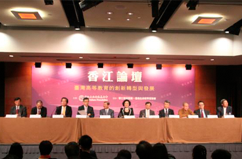 「香江文化交流中心」在成立後,希望在各界的支持下,能有長久性的活動展覽館,以此固定場所辦理各項藝文活動、兩岸三地的互動,藉由文化藝術各界共同熱心推動、協助和參與,相信「香江文化交流中心」必可為互惠、交流搭一座新橋樑。